The cat is finally out of the bag.
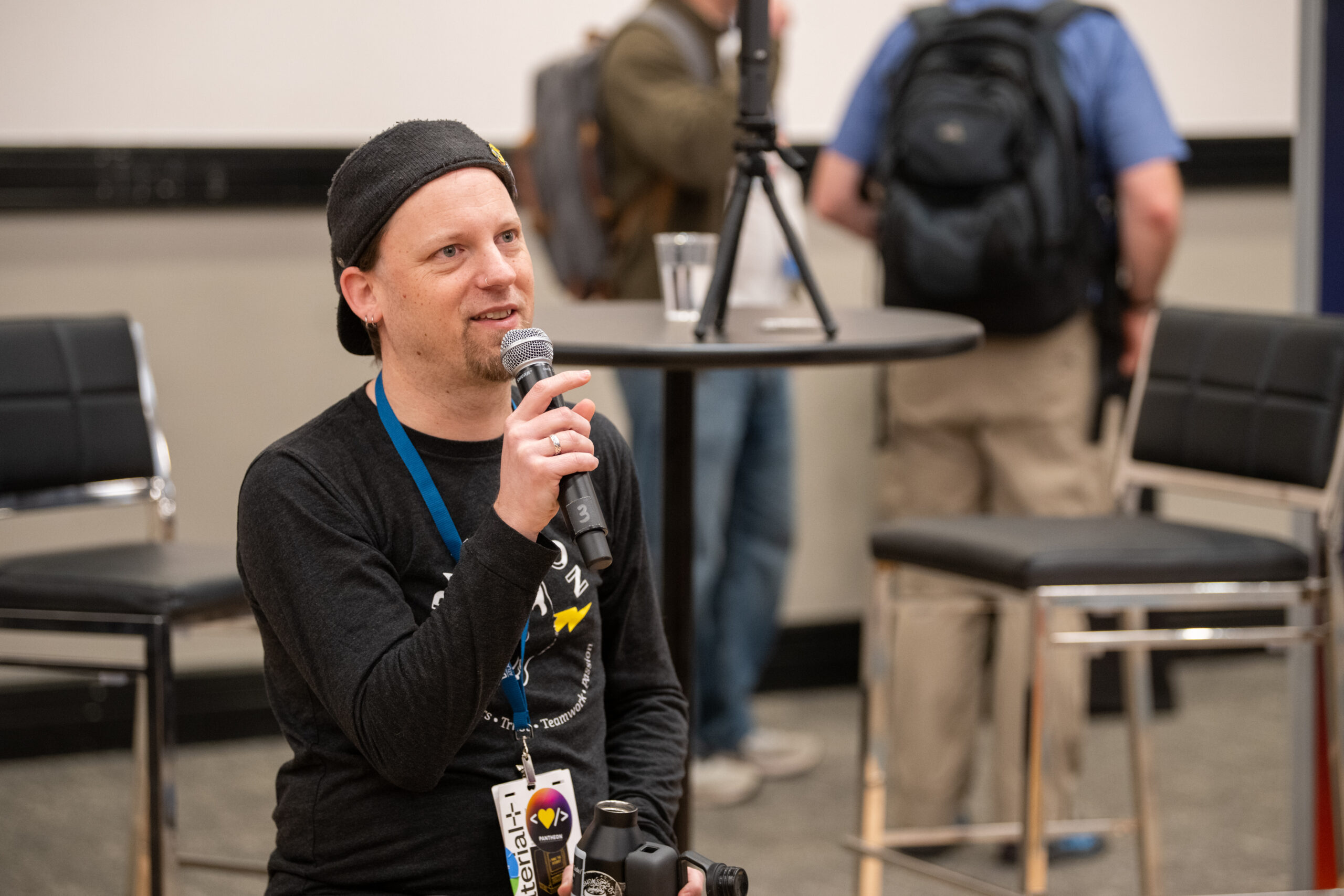
I was officially named Interim President of The WP Community Collective this week.
When I joined The WPCC as a member last year, it was not too long after going to my first DrupalCon. DrupalCon Atlanta was enlightening for a lot of reasons. But most relevant to why I joined The WPCC was learning how the Drupal Association works and the relationship between the DA and Drupal core development.
Drupal and WordPress have very similar histories, and it’s really largely due to a software decision made 16 years ago that led to the disparity in widespread adoption between Drupal and WordPress. Drupal, despite occupying a fraction of the Open Source CMS usage as WordPress, is still growing and thriving and its community is still as passionate as it’s ever been. I came away from that event with the knowledge that there are lessons that WordPress can learn from how the DA operates, much of which I wrote about in that blog post.
It’s clear that the WordPress Foundation will never be an organization like the Drupal Association. And while I wish that could be different, that’s not the reality. So what is? Well, there just so happens to be this organization that is positioning itself to fill the gap to help build a contribution compensation model that is sustainable. And, oh hey, they also got a large donation from GoDaddy to help them get off the ground.
Honestly? When the possibility of expanding the Board of Directors came up, even when I first joined, I was hoping to be on it. I have a long history in the WordPress community and, since joining Pantheon, have been able to experience a little bit of the Drupal community as well. And I’ve been using and evangelizing Open Source for a long time, since before I found WordPress. My years in the community, my access to other, related communities, and my role at a SaaS provider that serves both seemed like they’d come in handy. And yeah, it looks good on a resume.
Conveniently, Sé Reed thought so, too, and invited me before I could ask. And, through a confluence of events, the Presidency landed on me. That part wasn’t planned. 😅
As I wrote for the press release, I increasingly feel like Open Source is at risk of exploitation. It always has been, of course, but I believe that the rise of AI-assisted development inflates the risk exponentially. AI models will integrate Open Source packages and use Open Source code for reference freely, without attribution or citing sources. Developers who use LLMs in their development might be getting code from places they don’t even know, and have even less interaction with the original authors than before these tools existed.
And Free Open Source Software is no longer taboo with large organizations. We’re well past the days when Microsoft CEOs viewed Open Source Software as an existential threat — now Microsoft is using and supporting Open Source. This is great for Open Source! This is also terrible for contributors to Open Source. Because unless your project just happens to have a benefactor with deep pockets, it’s not unlikely that your code can and will get used by a much larger organization than yourself, without any direct benefit to you as a contributor or maintainer.
WordPress itself has struggled to overcome this issue. The solution as it has existed over the last many years has been “sponsored contributors” — that is, developers who are paid by their employers to contribute directly to WordPress core code. What do those employers get? It’s unclear, there’s no immediate direct benefit (beyond the warm, fuzzy feeling of ensuring the sustainability of the project — but it can be hard to justify that to a Chief Financial Officer who dismisses the value of financially sponsoring the funding of the Open Source Software their company uses; warm fuzzies don’t make balance sheets). It’s supposed that perhaps a company that sponsors core development can have some insight into what actually gets developed, but contributors aren’t often involved in feature or roadmapping decisions about what goes into WordPress core (which is somewhat different than how the Drupal Association works). The fact is, capitalism rules how Open Source Software is built. If it doesn’t fit inside a capitalist mindset, with a capitalist objective, it’s likely not getting funded.
And then there’s the question of “what counts” as contribution. I believe that you can contribute to the software ecosystem around WordPress (e.g. by building plugins or tools that are used for WordPress) without contributing code directly to core. But contributing code directly to core has always been seen as the gold standard for WordPress contribution, against which all other forms of contribution are assumed to be inferior. Contributing directly to core is not an easy path, nor is it necessarily an accessible path or an inclusive path for all potential contributors.
I also have direct experience with not counting. Did being mysteriously banned from WordPress have an influence on my decision to join a potentially controversial, counter-cultural non-profit organization poised to disrupt established norms in the WordPress ecosystem? Abso-friggen-lutely.
I joined The WPCC to help shape a better future that honors the dedication and work of our contributors, no matter what form that contribution comes in.
Chris Reynolds
Interim President, The WP Community Collective Board of Directors
I love an underdog story. In many ways, fighting for compensation for Open Source creators is as anti-capitalist and anarchic as my chaotic high school self was. I fully believe that a better future can exist, and even exist inside and alongside the existing organizations and structures in the WordPress community. And through collaboration with those systems and a deep commitment to the human beings in this community, I am hopeful that The WPCC can be part of the solution. Because you know what’s really anti-capitalist and anarchic? Empathy and compassion.
Leave a Reply